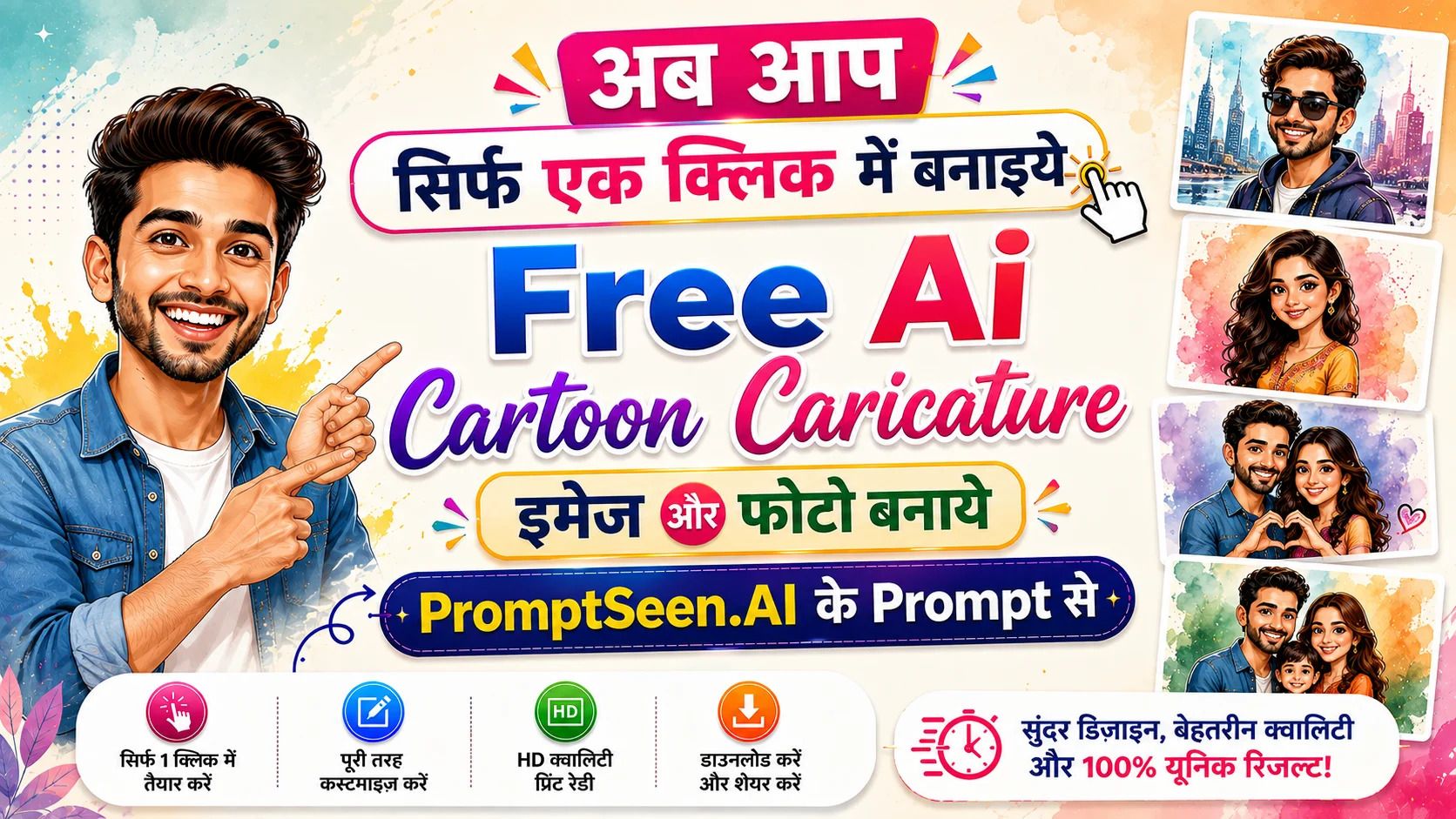
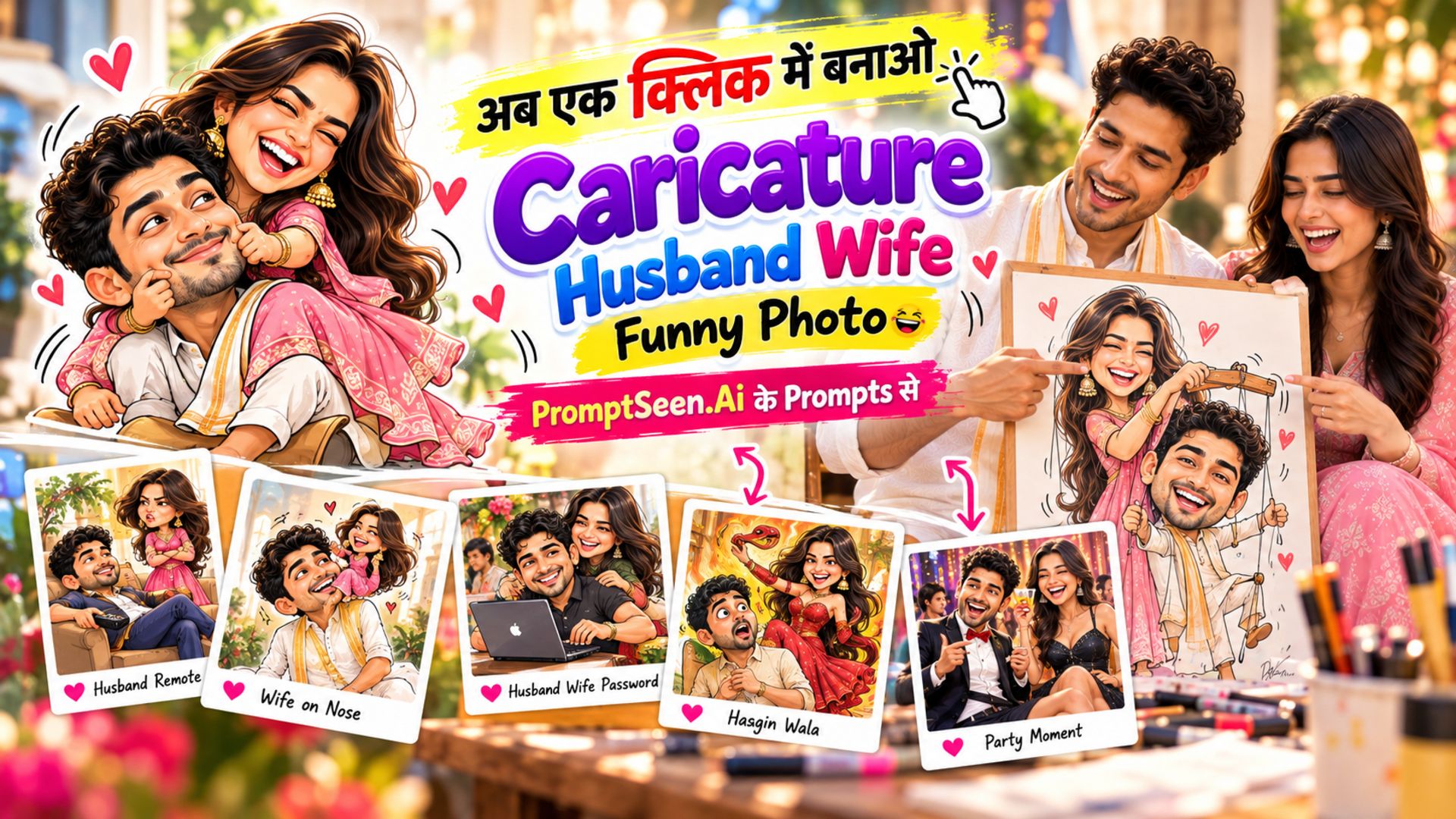
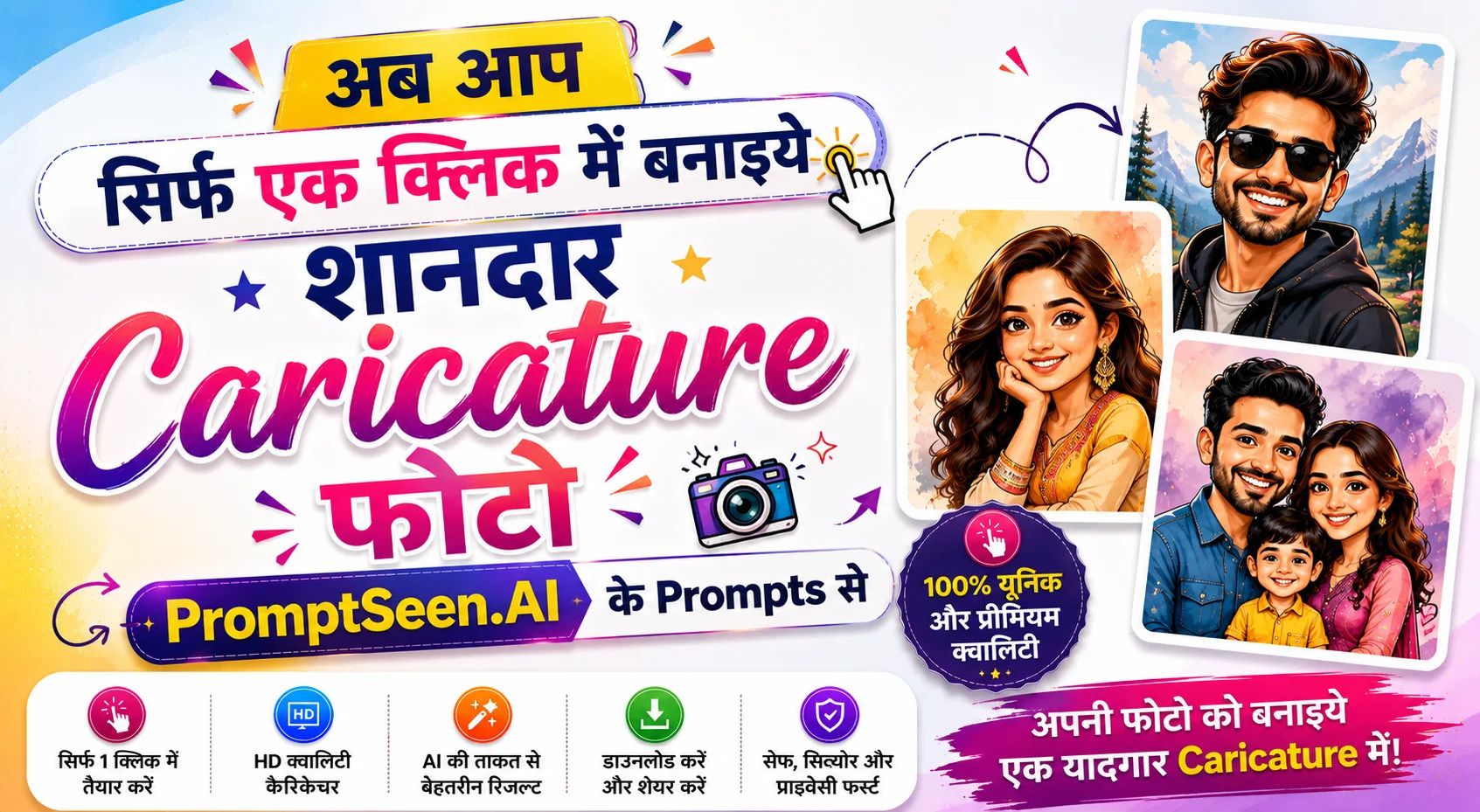
6. Explore Trending Caricature and Pop Art Prompts
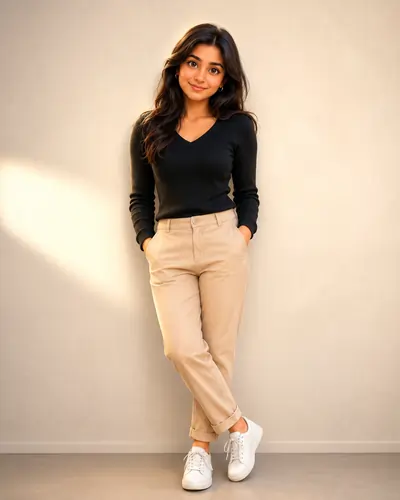
Below is our curated library of premium comic, manga, and caricature templates. To use these, simply upload your reference photo to your preferred AI image generator (such as ChatGPT or Google Gemini) and copy the corresponding engineered prompt text below.
1. Superhero Comic Cover Prompt
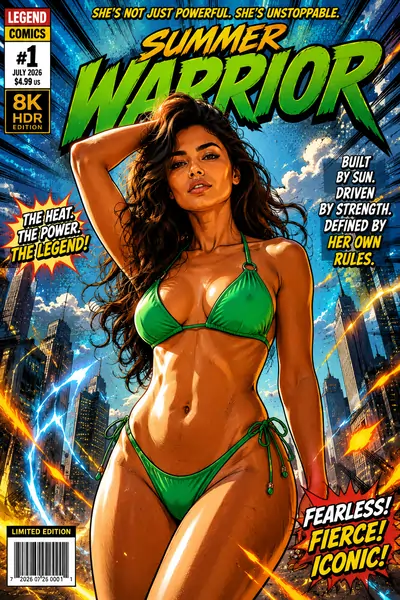
Transform the uploaded photo into a premium superhero comic book cover. Preserve the original face, hairstyle, clothing, accessories, body shape, pose, and expression exactly. Create bold black ink outlines, cel-shaded colors, dramatic low-angle perspective, dynamic action pose, explosive motion lines, halftone dot textures, glowing energy effects, cinematic city skyline background, glossy comic print finish, vibrant primary colors, ultra-detailed, HDR, 8K. Keep identity perfectly preserved. No extra people.
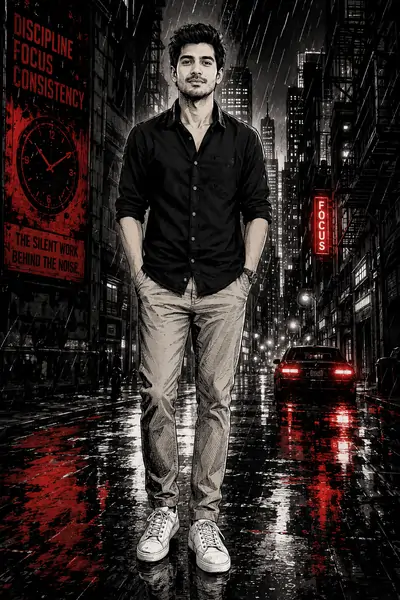
2. Graphic Novel Noir Prompt
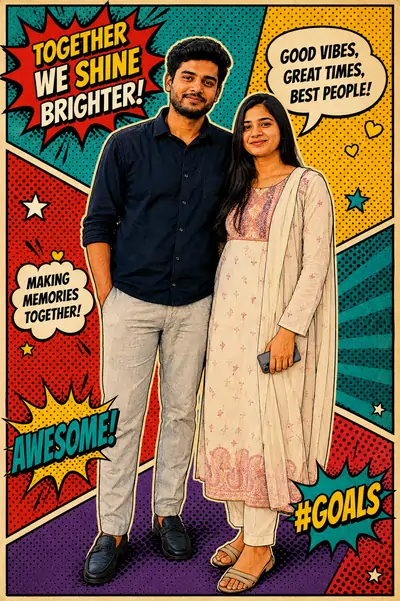
3. Retro Pop-Art Poster Prompt
4. Action Manga Comic Prompt
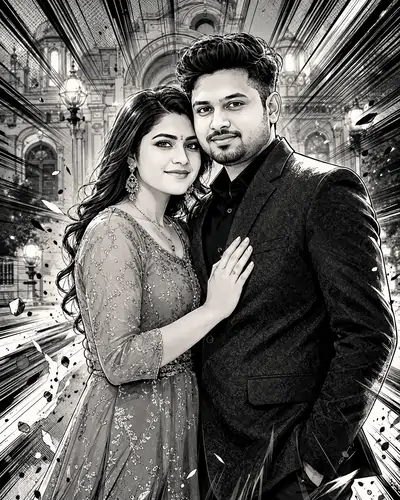
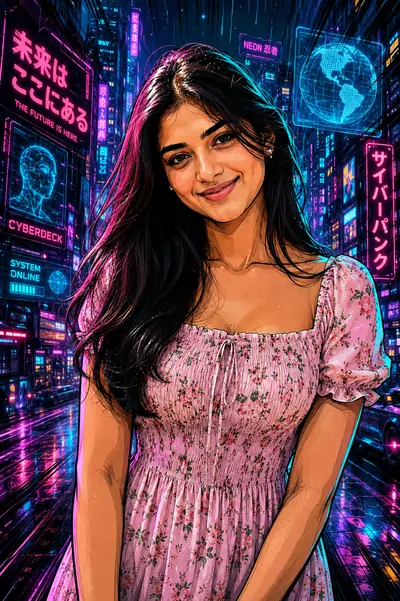
5. Cyberpunk Comic Illustration Prompt
Master Guide Overview
- 6. Explore Trending Caricature and Pop Art Prompts
- 1. The Evolution of Digital Comic Art and Caricatures
- 2. What is Prompt Engineering?
- 3. Mastering ChatGPT Photo Editing Prompts
- 4. Utilizing Google Gemini AI Photo Editing Prompt
- 5. How to Maintain Facial Consistency in Pop Art
- 7. Frequently Asked Questions (FAQ)
1. The Evolution of Digital Comic Art and Caricatures
The landscape of digital art is undergoing a revolutionary shift. Historically, creating a custom superhero comic cover, a graphic novel illustration, or a trending caricature required hours of meticulous manual labor by skilled illustrators. Artists had to carefully sketch linework, apply complex shading techniques, and manually balance colors to achieve that iconic pop-art aesthetic.
Today, advanced generative artificial intelligence has democratized this entire process. Anyone with a digital photo can instantly transform their portrait into a stunning, cinematic manga panel or a retro poster. However, generating commercial-grade artwork is not as simple as asking an AI to "make me look like a comic." Achieving precise control over the output requires a deep understanding of linguistic structures and text-based commands.
2. What is Prompt Engineering?
If you have ever wondered what is prompt engineering, it is essentially the science and art of communicating with AI models. It involves crafting highly specific, structured text instructions that guide the artificial intelligence to produce a predictable, flawless result. In the realm of digital art, prompt engineering means moving beyond basic descriptions and utilizing professional photographic, artistic, and lighting terminology.
For instance, an amateur might type "make a comic picture." A professional prompt engineer will command the engine to utilize "Ben-Day halftone dots, bold black ink outlines, cel-shaded colors, and dramatic low-angle perspective." By providing the engine with these explicit artistic constraints, the resulting generation transitions from a muddy digital mess into a sharp, premium graphic novel illustration.
3. Mastering ChatGPT Photo Editing Prompts
When you are working with chatgpt photo editing prompts (specifically utilizing the underlying DALL-E 3 framework), you are dealing with a model that excels at strict instruction adherence. ChatGPT is uniquely capable of understanding complex, multi-layered commands without ignoring critical details.
This makes it the absolute best platform for generating retro pop-art and stylized caricatures. Because styles like pop-art rely heavily on distinct boundaries—such as thick linework and flat, vibrant primary colors—ChatGPT is able to render these elements with incredible precision. Our structural templates exploit this capability, forcing the model to apply comic speech bubbles and vintage screen-print textures exactly where they belong, all while keeping the original subject in sharp focus.
4. Utilizing Google Gemini AI Photo Editing Prompt
On the other side of the spectrum, a well-crafted google gemini ai photo editing prompt yields completely different, yet equally breathtaking, results. Google's generative models are heavily biased towards natural lighting, smooth blending, and photorealism. When you apply comic constraints to Gemini, the result is often a highly cinematic, deeply atmospheric image.
This makes Gemini exceptional for Graphic Novel Noir or Cyberpunk illustrations. When instructed to generate "neon city lights, glowing holograms, and vibrant cyan lighting," Gemini seamlessly wraps these futuristic reflections around the human subject. It balances the graphic novel aesthetic with realistic facial preservation, resulting in an artwork that feels incredibly alive and dynamic.
5. How to Maintain Facial Consistency in Pop Art
The single greatest challenge when generating a trending caricature or comic illustration is "identity drift." Because AI models are trained on millions of generic comic book faces, their immediate instinct is to discard your uploaded photo's unique features and replace them with a generic superhero face.
To combat this, you must build an "Identity Lock" into the very beginning of your text string. Every single template provided below includes a mandatory command: "Preserve the original face, hairstyle, clothing, accessories, body shape, pose, and expression exactly." By placing this at the start of the prompt, you force the AI's algorithm to prioritize biometric preservation over artistic interpretation.
💡 Pro Tip: Clean Digital Media
Comic styles are particularly prone to AI hallucinating fake signatures, random studio logos, or text inside speech bubbles. To ensure your artwork remains professional, always rely on the negative constraints embedded in our prompts, such as "no extra people" and "keep identity perfectly preserved," ensuring a clean, watermark-free output.
PromptSeen AI के साथ जुड़ें
रोज़ नए वायरल AI प्रॉम्प्ट, सबसे पहले आपके पास
7. Frequently Asked Questions (FAQ)
What is prompt engineering in digital art?
Prompt engineering is the process of structuring natural language text to instruct AI models effectively. In digital art, it involves combining aesthetic terms, lighting constraints, and identity locks to produce a predictable, high-quality image output rather than a random generation.
How do chatgpt photo editing prompts differ from standard inputs?
ChatGPT photo editing prompts are heavily structured. Instead of simply asking for a 'comic book picture', these prompts use layered commands specifying linework thickness, color grading, shading techniques (like halftone dots), and strict rules to prevent the AI from altering the subject's face.
Which model handles a google gemini ai photo editing prompt better for comics?
Google Gemini excels at blending natural human features with highly stylized backgrounds. When generating graphic novels or manga, Gemini tends to keep the facial structure incredibly realistic while applying the requested comic textures around the subject.
How can I stop the AI from changing my face in a caricature?
To prevent identity drift, you must use an Image-to-Image (I2I) workflow and explicitly command the AI to 'preserve the original face, hairstyle, clothing, and accessories exactly' within the first few sentences of your prompt.
What are Ben-Day dots in pop art?
Ben-Day dots are a commercial printing technique utilized heavily in mid-20th-century comic books and made famous by pop artists like Roy Lichtenstein. Using this term in your prompt forces the AI to apply a vintage, textured comic-book aesthetic to the image.
Can I use these templates for commercial comic books?
Yes, our structural templates are designed to generate professional, 8K resolution graphics. However, you should always check the specific commercial licensing terms of the AI generator platform (like OpenAI or Google) you are using to render the final images.
Why do my manga generations look like 3D renders instead of 2D ink?
This happens when the AI defaults to modern 3D lighting. To force a 2D look, use specific constraints like 'cel shading', 'flat colors', 'clean black ink linework', and strictly avoid terms like 'volumetric lighting' or 'unreal engine'.
How do I remove watermarks from AI-generated comic covers?
Always include negative constraints at the end of your prompt. Phrases like 'clean digital media, no watermark, no signatures, no text overlays' will prevent the AI from hallucinating fake studio logos or branding in the corners of your artwork.